Month: March 2019

What is the definition of ribbon mixer?

ribbon mixer

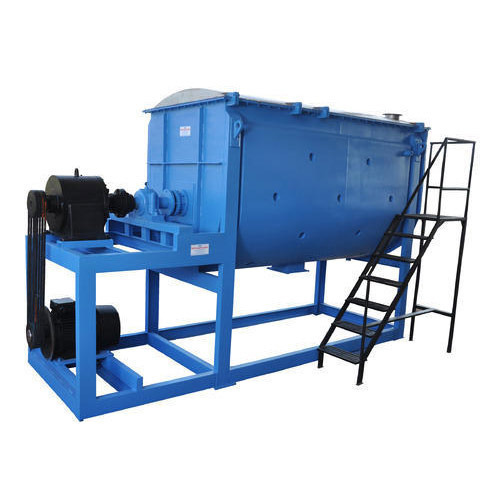
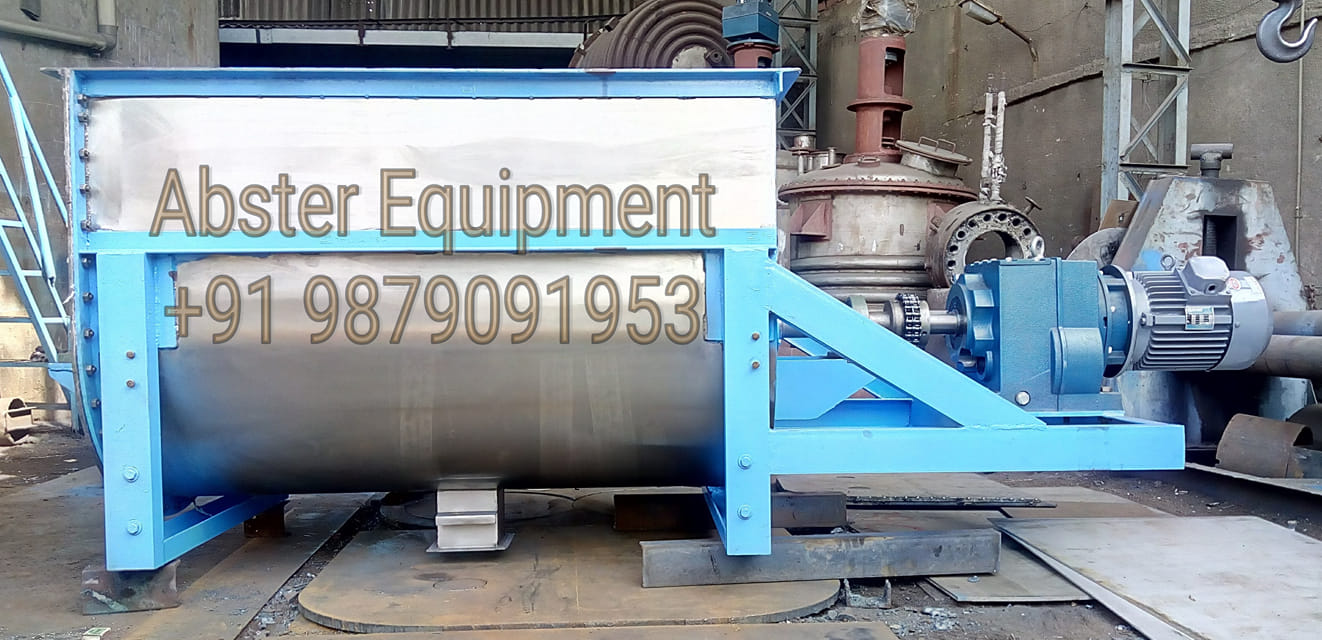
Ribbon Mixer: An industrial-strength machine, a ribbon blender is used to mix large amounts of material in many different industries. The blender gets its name from the thin, ribbon-shaped metal mixers that perform the blending.

Ribbon Mixer Features
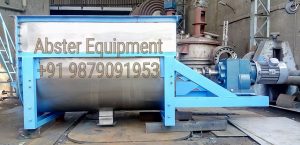
stainless-steel-ribbon-blender

Most ribbon blenders consist of an engine to power operation, a large trough to hold the material and a ribbon agitator that does the mixing.

Ribbon Blender Identification

A ribbon blender’s agitator typically has metal ribbons, often in a double helical design, surrounding a central bar that extends the length of the trough. The ribbons are angled and balanced in such a way to continually move material within the container.

eHowFood & DrinkCooking & BakingCookwareWhat Is the Definition of Ribbon Blenders?
What Is the Definition of Ribbon Blenders?
X William Lynch William Lynch has been a freelance writer for the past fifteen years, working for various web sites and publications. He is currently enrolled in a Master of Arts program in writing popular fiction at Seton Hill University. He hopes to one day become a mystery novelist.

By William Lynch, eHow Contributor
Share Print this article An industrial-strength machine, a ribbon blender is used to mix large amounts of material in many different industries. The Ribbon Mixer blender gets its name from the thin, ribbon-shaped metal mixers that perform the blending. Add this to my Recipe Box.

Other People Are Reading
How Do Ribbon Mixer Blenders Work? What Are the Parts of a Blender? Features
Most ribbon blenders consist of an engine to power operation, a large trough to hold the material and a ribbon agitator that does the mixing.

Identification
A ribbon blender’s agitator typically has metal ribbons, often in a double helical design, surrounding a central bar that extends the length of the trough. The ribbons are angled and balanced in such a way to continually move material within the container.

Mixing Powder
Quality Products to Process, Lift, Contain & Transfer Powder/Granules.

Ribbon blenders are used to mix a wide range of both dry and wet materials, including such items as cake mixes, cereal, cocoa, cosmetics, flavorings, gelatin, instant formula, medications, pet food, salad dressing and seasonings.

Benefits
Due to the agitator’s unique design, a ribbon blender moves material inside the trough towards the discharge point, thoroughly mixing the contents without any dead spots.

Size
Ribbon blenders come in a variety of sizes and capacities, with models designed to handle anywhere from as little as five liters of material all the up to 25,000 liters or more.
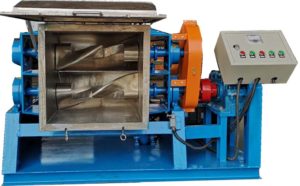
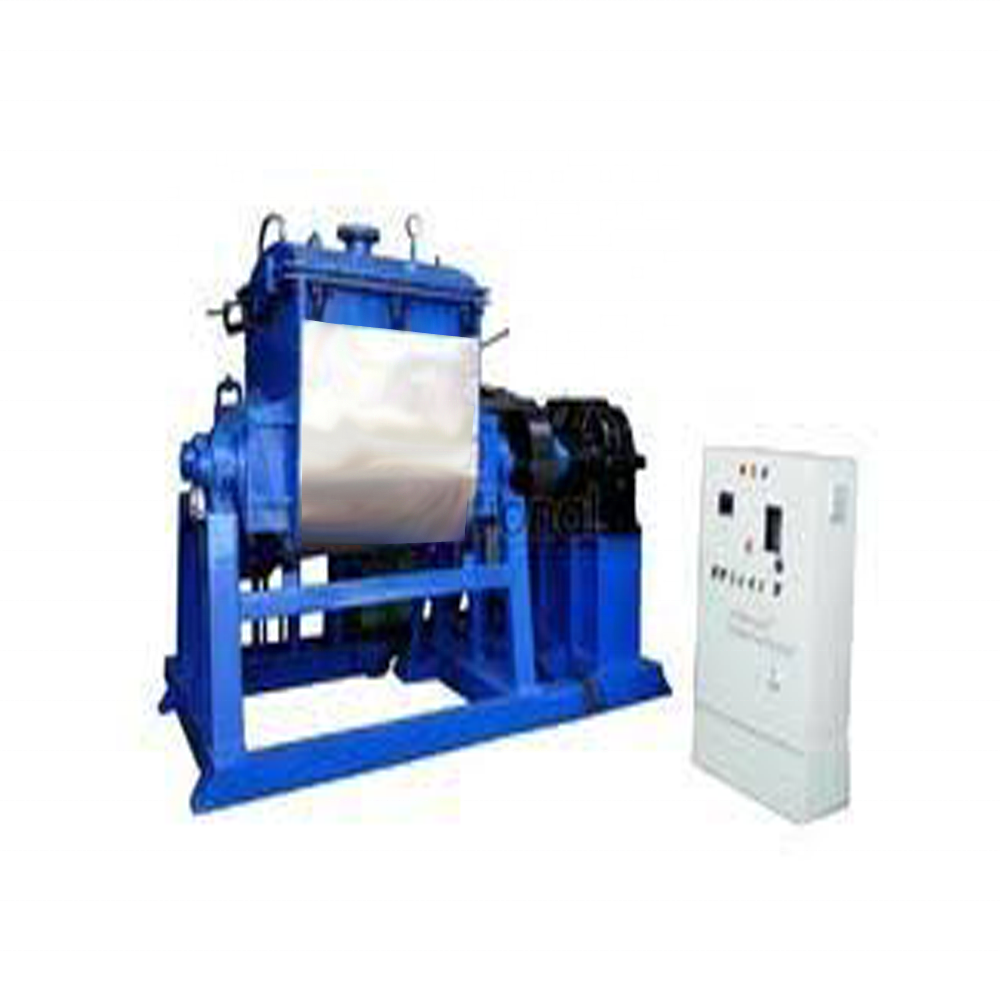
#Best Sigma Kneader Mixer manufacturer

#Best Sigma Kneader Mixer manufacturer

Heavy Duty Sigma Mixer

Application

This kind machine is mainly used in high viscosity product

——Chemicals Industry:

 Resins, Sealant, silicon rubber, glue/ adhesive, paint, dye, BMC/CMC, pigment,  plastics,  batteries. Tooth paste, Clay etc.

——Food Industry:

Bubble gum, dough, chewing gum,  soft candy,  cheese etc.

——Pharmaceutical:

Medicines  &  Pharmaceutical materials.

Discharge Way:  Hydraulic tilt; Screw extruding ,Bottom valve.

Heating:  Steam heating, Thermal oil heating & Electric heating

Type:Normal type:  Pressure type & Vacuum type.

Material:  can be SS304,SS316 or carbon steel.

Rotation Speed:  can be controlled by frequency converter,or fixed.

Blades& Contact part:  will be fine polished

Capacity:  2-5000L

[row]

[column size=’col-md-3′ ]sigma kneader mixer[/column]

[column size=’col-md-3′ ]double blade sigma mixer[/column][column size=’col-md-3′ ]lab kneader mixer[/column]

[column size=’col-md-3′ ]300L Sigma mixer [/column]

[column size=’col-md-3′ ]20L lab sigma mixer[/column]

[column size=’col-md-3′ ]sigma kneader[/column][column size=’col-md-3′ ]sigma kneading machine[/column]

[column size=’col-md-3′ ]Z Blade kneader Mixer[/column]

[column size=’col-md-3′ ]play dough Double Z Arm mixer machine [/column][column size=’col-md-3′ ]Clay Dough Sigma Mixer[/column]

[column size=’col-md-3′ ]Z Blade kneader Mixer[/column]

[/row]


The lab model Double Sigma Blade batch systems provide complete, homogeneous mixing, even in small quantities.


The mixing action is a combination of bulk movement, shearing, stretching, folding, dividing, and recombining as the material is pulled and squeezed against blades, saddle, and side walls. Continually new layers of material are compressed and folded over one another and are subjected to shearing forces.

Working Principle of Sigma Mixer

In Sigma mixer tangential action of mixing and kneading obtained by ‘Z’ type (SIGMA) shaped kneading blades, which rotates very accurately at different speed towards each other causing product to be transferred from one end to another end. Discharge of the finished product is achieved by tilting the container or through the valves at the bottom or by means of an extrusion screw beside the container.

The mixing action is a combination of bulk movement, stretching, folding, dividing, and recombining of the material. The shearing & tearing action of the material against blades and the side walls causes size reduction of the solids. After the time period required for sterilizing the batch has elapsed, the heating circuit shuts of the pneumatics damper (exhaust) opens and cooling operation commences.

In the tangential design, the blades rotate in the trough meeting tangentially. The front blade generally rotates faster than the rear blade usually in the ratio of 3:2. Tangential blades are generally used for material of higher viscosities such as adhesives, rubber compounds, flush colors, dyes, and pigments.

In the overlapping design, the blades overlap above the saddle of the container. Due to the overlapping action, it is necessary that the relative position of the two blades is unchanged, and as a result, both the blades rotate at the same speed. Materials that flow freely or creep down into the blades are mixed using the overlapping blade action. This design offers a faster interchange of material from one blade compartment of the mixer to the other. Overlapping blade action is used for materials of lighter viscosities such as carbon pastes, clay coating, creams, and ointments. The overlapping blade produces a lower kneading and shearing compared to the tangential blade action

Main features :

  • Wide range of sizes from 2-50 litre working capacity.
  • Adjustable blade arm rotation
  • Quick disassembly of the through-ends opposite the drive and blades for easy cleaning.
  • Stainless steel construction.
  • Simple installation – only a single power cable.
  • Stainless steel with sight-grid cover for product viewing during mixing.
  • Vacuum design available.

 [portfolio port_cat_show=”no” portfolio_type=”3″ port_cat_name=”Resin Manufacturing Plants,Rubber sigma kneader,Sigma Mixer”]


clay kneading machine/ clay mixing kneader / sigma mixer

Category : Uncategorized

clay kneading machine/ clay mixing kneader / sigma mixer

200L hydraulic tilt z arm machine with vacuum/jacket heating kneader

clay kneading machine/ clay mixing kneader / sigma mixer

Multi-Function Vacuum Kneader Machine

In the past, plasticine manufacturers need different dough mixer for different material’s production. When they were intended to expand the range of product varieties, they need to buy another mixer which they thought it’s not so economical.
In a view of this fact, we have researched and developed a new dough kneader that can be used for various Plasticine products’ manufacturing. Besides, it’s suitable to other industry too.

clay kneading machine/ clay mixing kneader / sigma mixer Applications

Kneader is widely used in high viscosity and high elastic-plastic material such as chewing gum, bubble gum, toothpaste, plastic, rubber, silicone rubber, dyes, pigments, inks, food gum base, pharmaceutical agents, architectural coatings, carbon, fiber, high viscosity sealant, neutral glass glue, aluminum silver paste, Pulp, cellulose, battery paste, silicone resin, cosmetics, neutral or acid glass cement, paper pulp, medicine, resin, plasticine, BMC/CMC and others industries.

Model

Vacuum Kneader

Full volume

200L

Brim trough size(L*W*H)

650*650*600mm

Trough material

Inner shell: Stainless steel#304 & 8 mm steel plate

Jacket: Carbon steel Q235 coated with heat resistant paint & 6 mm steel plate

Outer shell: Stainless steel & 1 mm steel plate

Heating method

Electric heating

Agitator shape

Sigma type

Agitator quantity

2

Agitator rotating direction

Opposite direction

Agitator Rev

45/33rpm

Radial clearance between agitator and hopper inner surface

2±0.5mm

Axial clearance between agitator and hopper wallboard

1.5±0.5mm

Discharge way

Hydraulic tilt

Main motor power

11KW

Overall size(L*W*H)

2100*1250*1350mm

Vacuum kneader preparation before operation

1. Check whether the fasteners are loose, whether the steam pipeline is leaking, and whether the circuit and electrical equipment are safe. The electric heating type kneader must have a grounding device.
2. Clean the kneading chamber before the test machine. Do 10-15 minutes of dry run, confirm that the machine is running normally, and then put it into production. Generally, the gears (including the reducer) of the new machine are noisy when they are used in the initial stage, and they will naturally decrease after some time.
3. After the machine is installed, first clean, decontaminate and wipe the anti-rust grease. Check each lubricating point and inject lubricating oil (grease).
4. Check the tension of the V-belt before driving, and move the motor to an appropriate position by adjusting the bolt.
5. When steam is used for heating, a safety valve and a pressure gauge should be installed at the steam inlet pipe, and the steam pressure must not exceed the working pressure requirement of the mixing tank indicated on the label.
6. The use of inversion should be reduced when kneading with the paddle.

Precautions for vacuum kneader

1. When stirring, the lid should be covered and the bolts should be tightened. The shaft end is equipped with an adjustable sealing sleeve, which can be adjusted when the material is leaking. Do not put your hands on the cylinder mouth when the cylinder head is lowered to avoid crushing your fingers.
2. Pay attention to the rotation range of the cylinder when lifting and lowering the cylinder of the vacuum kneader, so as not to hurt the human body. Stirring should be stopped when discharging.
3. If any abnormal phenomenon is found when the vacuum kneader is working, it should be stopped immediately, and measures should be taken to eliminate the fault. It is strictly forbidden for the machine to work under abnormal conditions.
4. The vacuum kneader adopts electric heating, steam, oil heating, water cooling, and other methods for temperature adjustment, and adopts hydraulic cylinder turning and covers the opening. The discharge methods include hydraulic pressure, cylinder dumping, ball valve discharge, screw extrusion, etc.


How to Improve Ribbon Blender Efficiency?

How to Improve Ribbon Blender Efficiency?

Across the process industries, a wide range of powder blends are produced in a ubiquitous workhorse that is the ribbon blender. From seasonings and beverage mixes to pharmaceutical, chemical, plastic, and agricultural powders, a reliable method for solid-solid blending is at the core of production and the ribbon blender is a popular choice due to its efficiency and economy.


Ribbon Blender manufactrer

[button style=”enigma_btn_blue” size=”enigma_btn_large” btn_disable=”0″ url=”http://www.sigmamixer.in/contact-us” ]Send a Mail[/button]

Ribbon Blender

A ribbon blender consists of a U-shaped horizontal trough and an agitator made up of inner and outer helical ribbons that are pitched to move material axially, in opposing directions, and also radially. Agitator tip speeds in the range of 300 feet/min are typical.
Selecting a suitable ribbon blender for a particular application starts with bulk density. Bulk density determines if a standard or heavy-duty blender is required and, given a target batch size (weight), the bulk density defines the ideal blender model (capacities are normally listed in volume). Ribbon blenders are offered with optional features like heating/cooling jacket, vacuum capability, interchangeable paddle agitator, lump breakers, sanitary finish, and even wetted parts constructed from special alloys. More recently, new features have become available that are designed to maximize efficiency, blend consistency, and productivity. Ask your blender manufacturer about the following options:
how to make ribbon blender
• Scrapers welded to the spokes and ribbons. Scrapers having a close tolerance (around 1/8 in.) to the end walls significantly reduce the amount of materials that might tend to pack in the blender’s outermost areas. ‘Radiused’ trough corners further eliminate any dead spaces in the product zone.

• Clear view cover and shaft guards. The pictured ribbon blender features FDA-approved poly carbonate shaft guards and sections of the cover. The multi-piece cover is equipped with multiple ports for ingredient additions, lights, spray system, venting, and vacuum, which significantly increases ease of use and worker safety. Operators can safely monitor the contents of the blender and charge raw materials while the agitators are running. Without the need to stop agitation and open the covers at multiple intervals, cycle time is therefore optimized and unnecessary dusting issues are prevented.

• Air-purged mechanical shaft seals. Special seal arrangements such as air-purged mechanical shaft seals eliminates the risk of product leakage, preventing premature bearing or drive failure and shaft wear. Air purging creates a higher pressure inside the seal cavity, creating an air barrier that helps keeps material inside the trough and adds to the life of the wearable parts of the seal.

• Pneumatically-operated spherical disc valve. This style valve provides a large opening and minimizes dead space. Discharge connections can be customized to perfectly mate with your downstream material handling system.

• Custom PLC recipe controls. There are multiple benefits to applying PLC recipe controls to a blending process: batch-to-batch consistency, automated data logging, reduced operator error, faster changeovers, and longer service life, just to name a few. Recipes can be written and stored into memory, so that switching the batch protocol from one formulation to another takes only seconds, maximizing production time. Pre-programmed maintenance screens can help save equipment from downtime due to preventable maintenance issues, reminding technicians to check greases, seals, bearings, and other components after a certain number of run hours. In a customized control scheme, hardware can also be networked to existing systems that may require a degree of handshaking with other equipment in the overall process. SCADA systems, software programs, special protocols, and network concerns should all be addressed early into a project to ensure complete compatibility.
Products
Skip navigation

Powder Mixer
Ribbon Mixer
Plough Shear Mixer
Twin Shafts Paddle Mixer
Conical Screw Mixer
Vertical Ribbon Mixer
Double Cone Blender
Double Movement Mixer
V type Blender
Sifters
Dryers
Mixing Dryer
Conical Vacuum Dryer
Fluid Bed Granulator Dryer
Package Machines

Sort by Application

Industries
Foodstuff
Cosmetics
Pharmaceutical
Chemistry
Animal Feed
Agrochemical
Plastics
Starch
Glass, Cement & Metallurgy
Battery & Electronic
Process
Mixing
Drying
Coating
Reacting

Contact

Phone: +91 9879091953
Whatsapp: +91 9879091953

Email: sales@abfindia.co.in
Skype: hiteshgandhi12

Send e-mail